
How to Choose a Gulet Charter: What the Photos Don’t Tell You
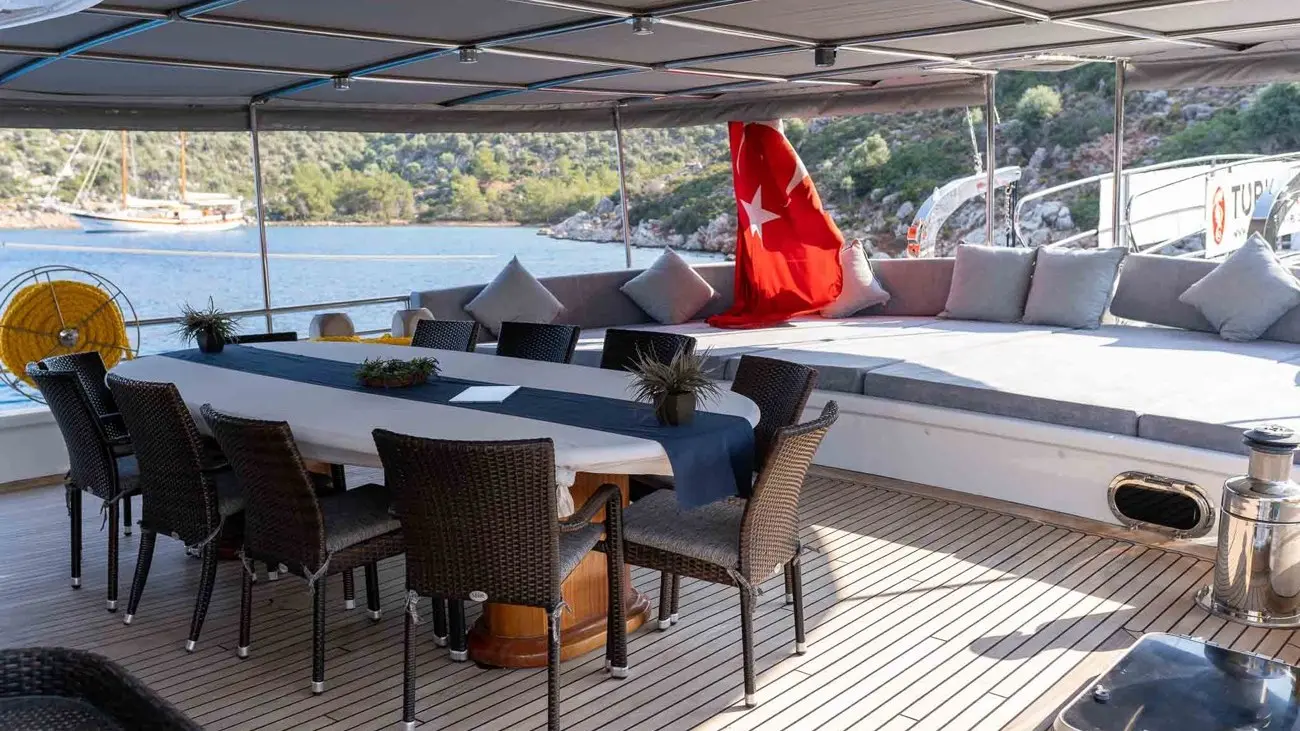
Almost every enquiry I get starts the same way. Three or four gulets, picked out from photographs, and the question: which one is best?
I understand completely. The gallery is the only thing you can see from a desk in London or Munich, and a good one tells you a great deal about a boat.
What a photograph can't do is answer the handful of questions that end up shaping your week. It will show you a cabin beautifully; it can't show you how steep the steps down to it are, or where the generator sits beneath it. Those things don't photograph at all.
So here is what I look at when a client sends me a shortlist, and what I'd want you to ask before you fall in love with a boat.
Length is the number everyone quotes. Beam is the one that matters
Every listing leads with length. Forty-three metres sounds like a lot of boat, and it is. But the number that decides how your week actually feels is the beam — the width.
A gulet is deliberately broad for her length. That width is where the aft-deck dining table comes from, and the sunbathing cushions, and a saloon you can walk around rather than shuffle through. Two boats of the same length can offer very different amounts of room to sit down.
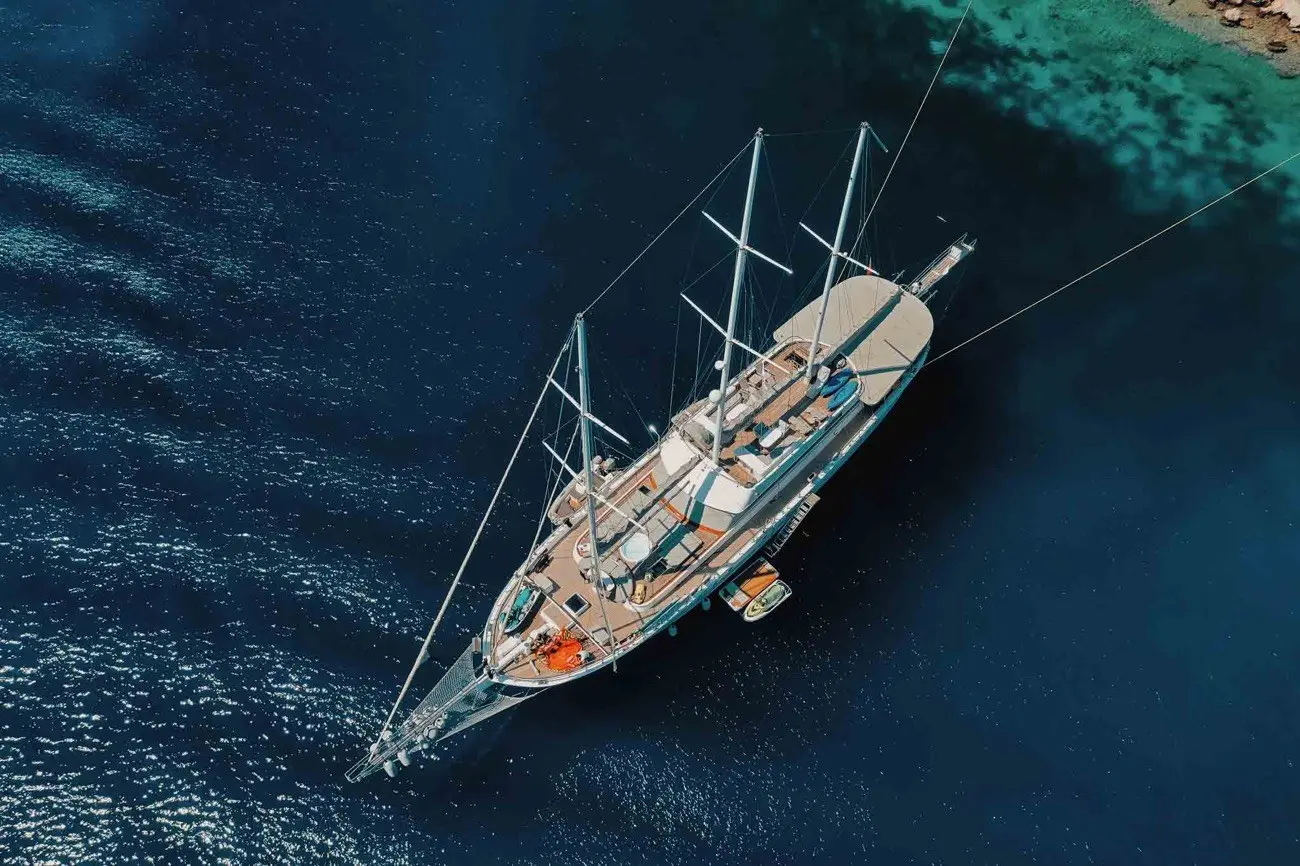
Three gulets we work with regularly, all licensed for the same number of guests:
- M/S Diva Deniz: length 29.00 m, beam 7.70 m, 12 guests, 6 cabins
- M/S Bella Mare: length 38.00 m, beam 8.20 m, 12 guests, 6 cabins
- M/S Mare Nostrum: length 43.00 m, beam 8.60 m, 12 guests, 6 cabins
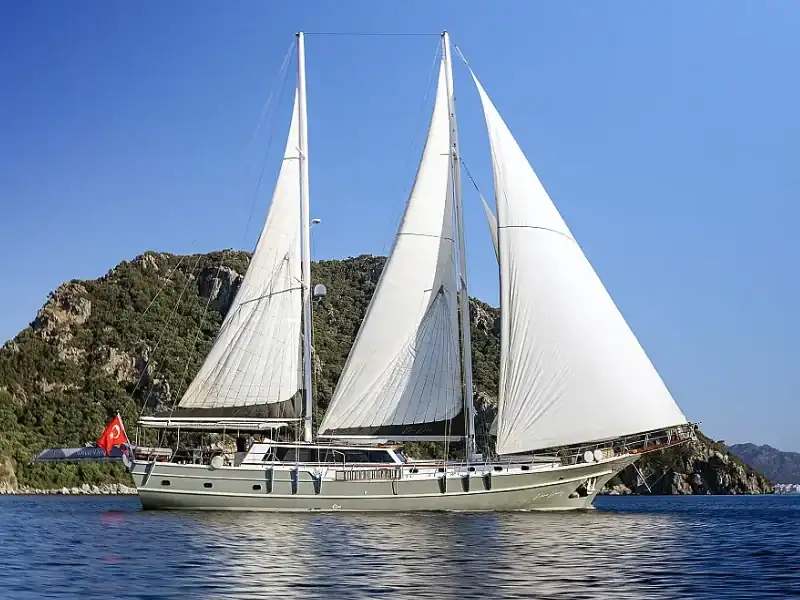
M/S Diva Deniz
Marmaris, Muğla, Türkiye
- Türkiye
- Up to 12 Guests
- 6 Cabins
- 29.00 m
Starting From: €14,700.- Per Week
 Ekmar's ChoiceSave 10%
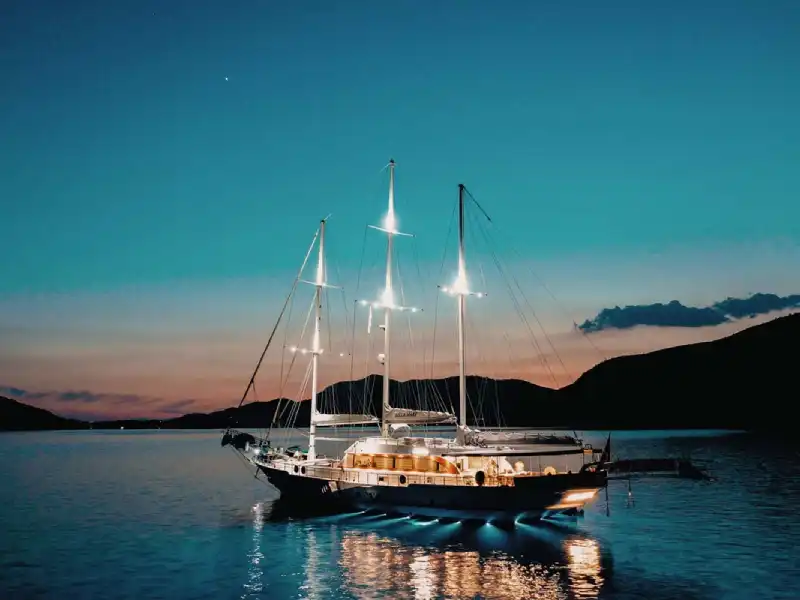
M/S Bella Mare
Bodrum, Muğla, Türkiye
- Türkiye
- Up to 12 Guests
- 6 Cabins
- 38.00 m
Starting From: €35,000.- Per Week
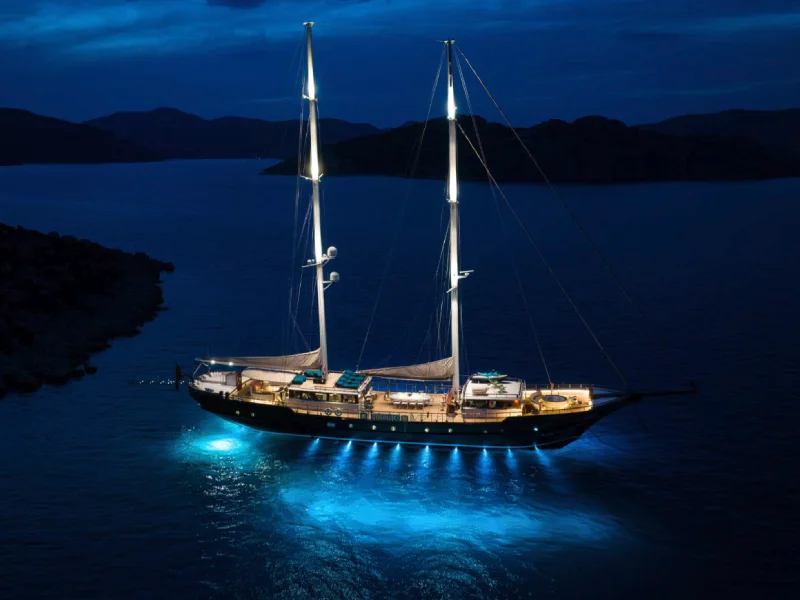 Ekmar's Choice
M/S Mare Nostrum
Marmaris, Muğla, Türkiye
- Türkiye
- Up to 12 Guests
- 6 Cabins
- 43.00 m
Starting From: €80,000.- Per Week
Twelve guests in six cabins, every one of them. One boat is twenty-nine metres and another is forty-three. The guest count is identical; the week is not remotely the same.
Diva Deniz fits those twelve into 29 metres, and she's a warm, companionable boat for a group who all know one another well. Bella Mare adds half a metre of beam and nine metres of length — the difference between a table you squeeze past and one you can walk behind carrying a tray.
Mare Nostrum's beam is forty centimetres wider again, and she's another five metres of boat; what that buys isn't a wider deck, it's more separate places to be. Four people reading in the shade and four in the water aren't in each other's pockets.
So the useful question isn't just how long she is, or how many she sleeps. It's how wide the aft deck is where the table stands, and whether you can get past a seated guest without asking them to move.
Six cabins, six different holidays
Listings tend to say "6 en-suite cabins" as though they were six of the same thing. They almost never are, and the photographs won't tell you which is which.
Where a cabin sits changes what sleeping in it is like:
- Forward cabins sit in the narrowing bow. They're often the smallest, and they move the most — noticeable if you're at anchor in a bay with any swell running into it. These are frequently the twin cabins, which is one reason they end up allocated to the children.
- Amidships cabins are the steadiest on the boat and usually the quietest. If somebody in your group sleeps badly, this is where you put them.
- Aft cabins are often the largest and the best finished — the master suites tend to live here. They're also closest to the engines and, on many boats, the generator.
That last point is the one people discover on night two rather than before booking. A generator running below an aft cabin is a different experience to one running below an empty lazarette, and no photograph will show you the difference.
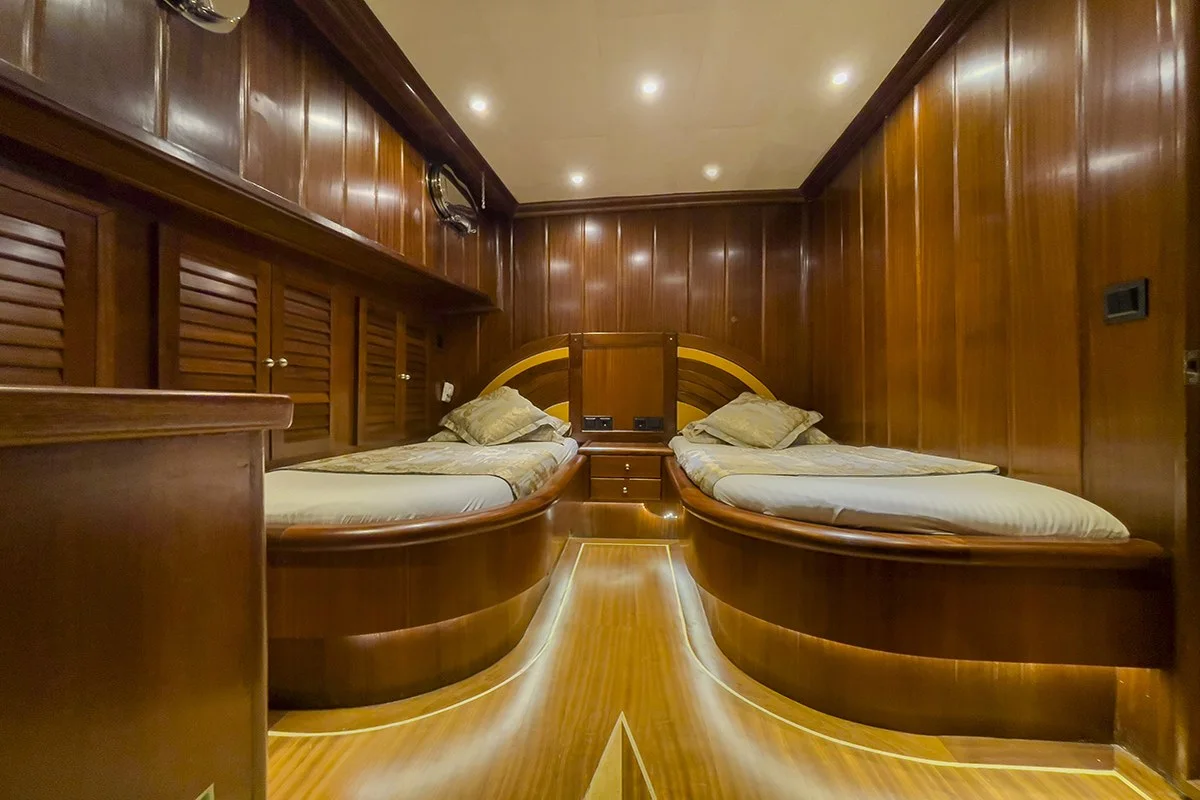
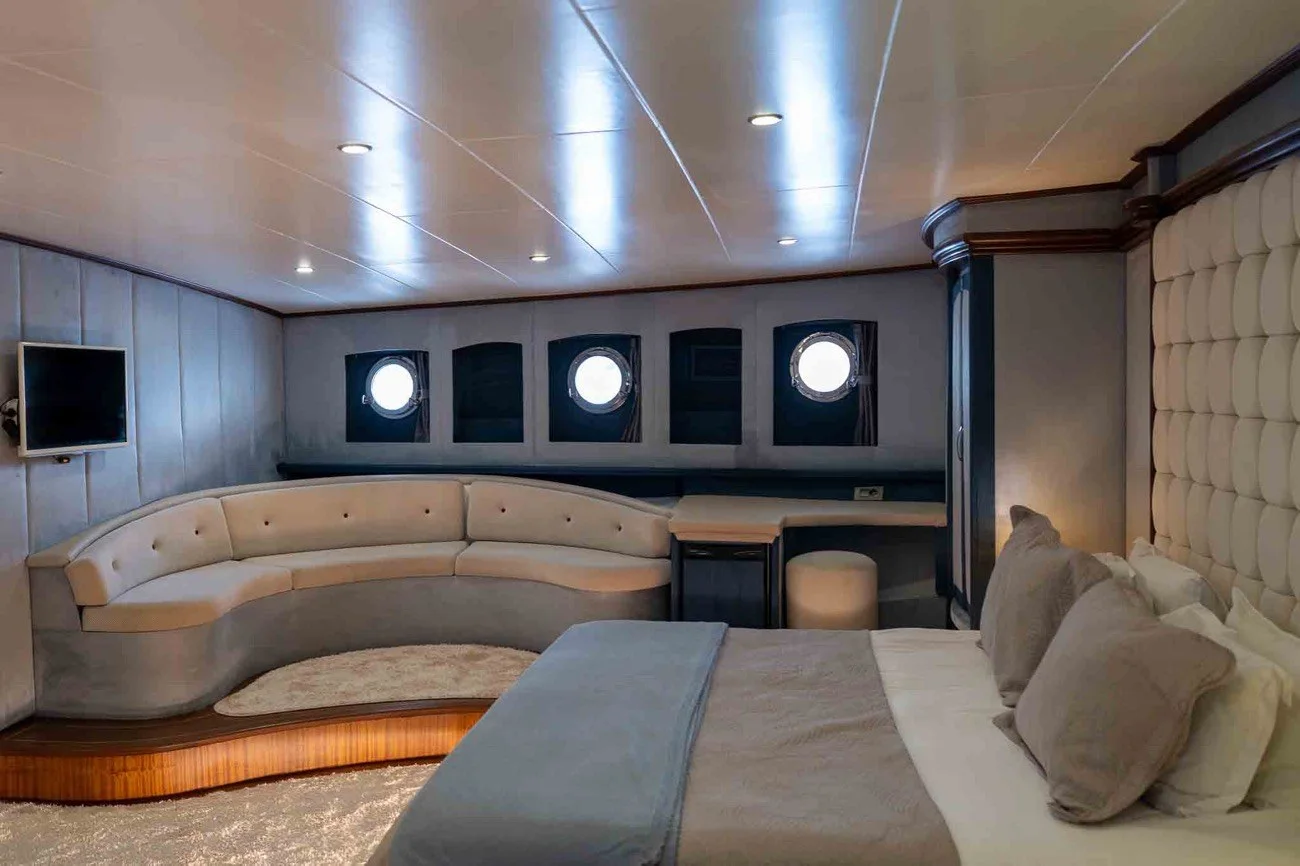
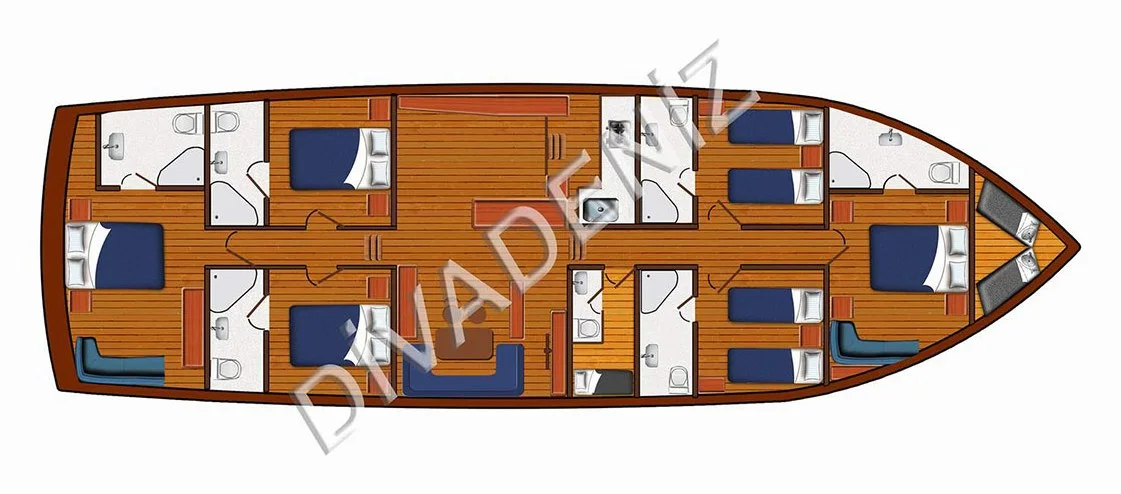
Ask for the deck plan whenever one is available. For your shortlist options, we can help clarify which cabin is where, how the beds are arranged, and what sits underneath you — answering in ten seconds what twenty photographs can't.
While you have it in front of you, work out who is sleeping where before you book — not on the quay at embarkation. Six cabins of different sizes and a group of twelve friends is a conversation best had early.
A photograph can't tell you scale
Interiors are shot with wide lenses, because on a boat that is the only way to fit a whole saloon or cabin into one frame. The room you're looking at is real. Its size is the part a photograph can't convey.
So a sofa that looks as though it seats six may seat four, and a cabin that reads like a hotel room is a very comfortable cabin. Neither is a disappointment — as long as you know the numbers before you arrive.
Once you've narrowed things down to a shortlist, two details are worth confirming:
- Berth dimensions, cabin by cabin — so you know what "double" means on that particular boat.
- Standing headroom, in the cabin and in the shower. Tall guests care about this a great deal, and it almost never occurs to anyone to ask.
Then put the deck plan beside the gallery. The photographs show you how a cabin looks; the plan shows you its shape, where the beds sit and which way the door opens. Between the two you have the whole picture, and we can check anything either of them leaves out.
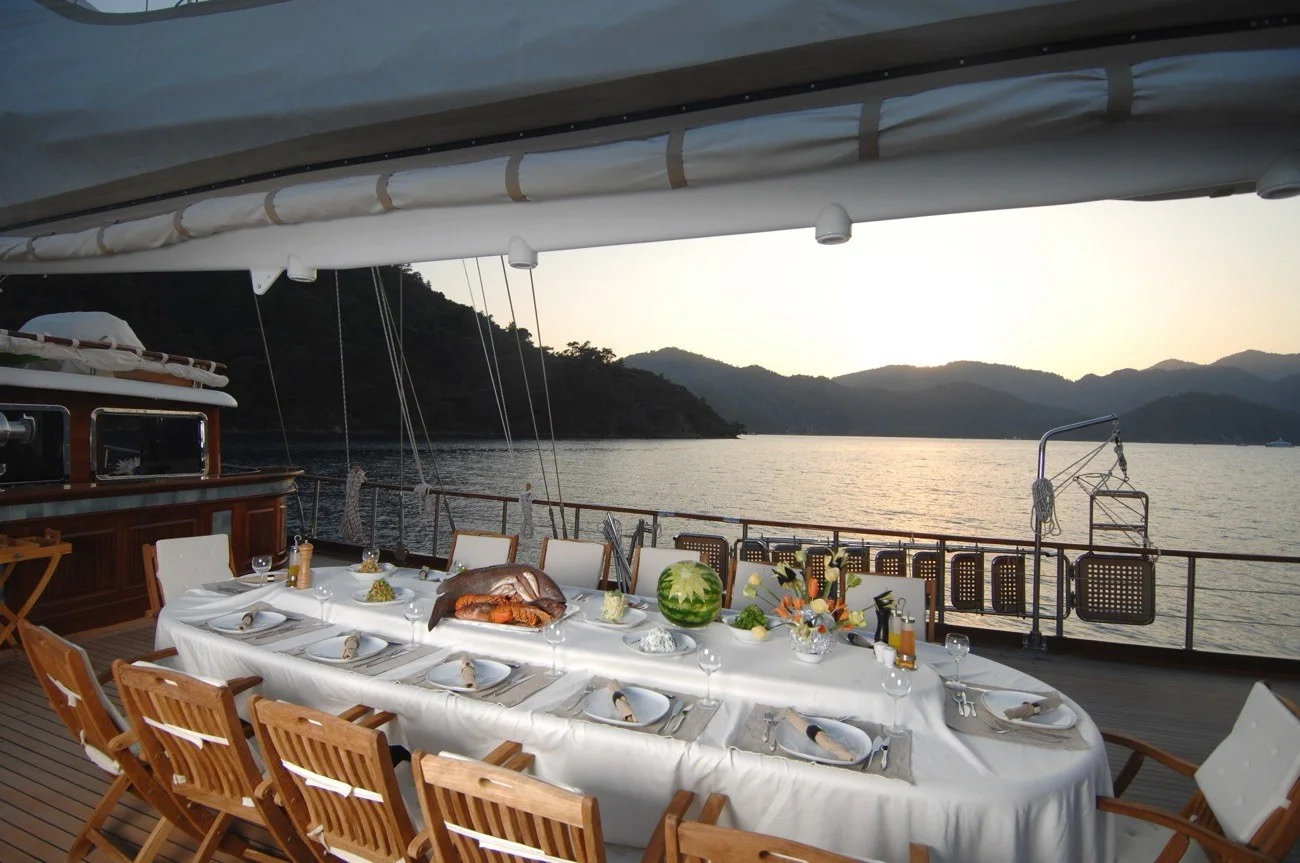
Where is the shade at midday?
Boats are usually photographed in the best light of the day — early morning, or the hour before sunset, when the teak glows. It's the right way to show a boat. It just isn't the hour you'll be thinking about when you're on board.
Here in July and August, the hours between midday and four are the ones you'll actually be looking for shade in. An unshaded aft deck at two o'clock is not somewhere anyone sits. It's somewhere you walk across quickly to get back into the water.
So ask where the shade falls when the sun is high:
- Is the aft-deck dining area under a fixed structure, or a canvas awning that has to be rigged?
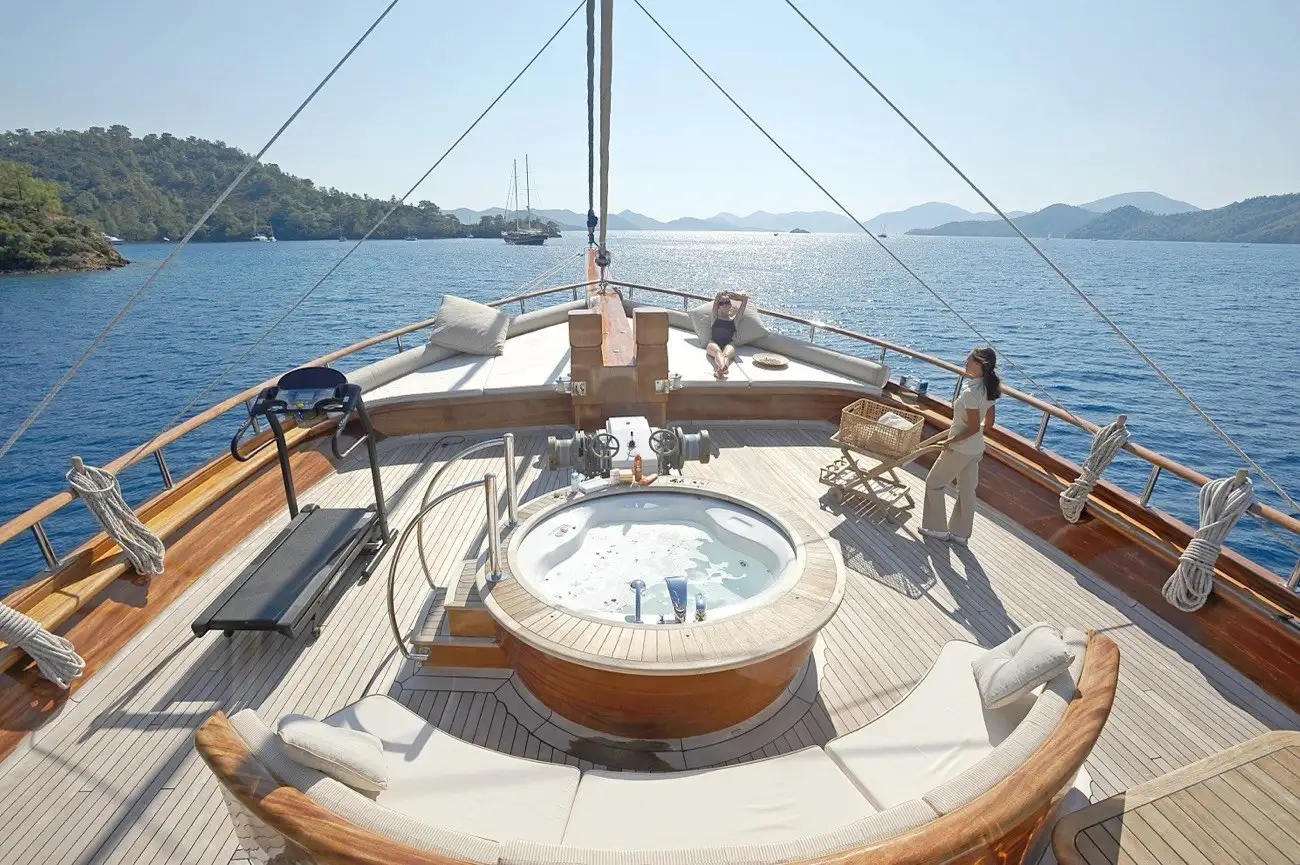
- Is there shade over the sunbathing cushions on the foredeck, or is that a pure sun area?
- If there's a flybridge or upper deck, is it covered?
- Can you eat lunch outside, in the shade, with the whole group at one table?
That last one decides more about your week than almost anything else in the listing. Twelve people who can all sit down to lunch together in the shade have a different holiday to twelve people splitting into shifts.
"Twelve guests" is a licence, not a recommendation
When a listing says twelve guests, that is the maximum the boat is permitted and equipped to carry. It is not the number at which she is most comfortable, and the two are rarely the same.
Twelve on a boat built around twelve is lovely. Twelve on a boat that is stretched to fit twelve feels very different.
What to check before you fill every berth:
- How the triples work. A triple cabin is usually a double bed plus a single bunk above or beside it. Excellent for two children or a teenager. Less excellent for three adults who've never shared a room.
- Seats at the table. Count them on the deck plan. A table seating ten on a boat licensed for twelve happens more often than you'd think.
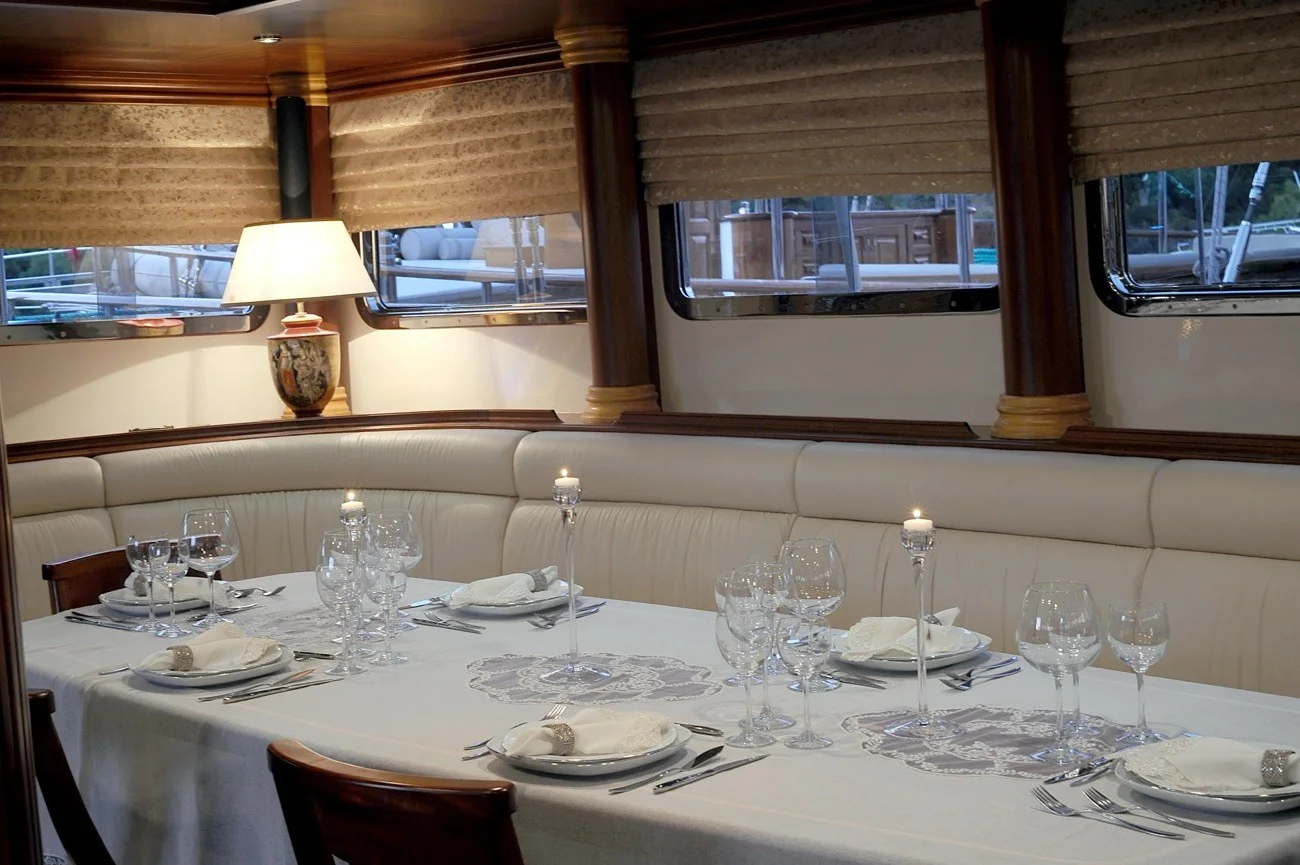
- Somewhere to sit inside. One wet afternoon — they do happen, especially in May and October — and the saloon has to hold everybody at once.
- Cabin and bathroom layout. Six en-suites for twelve guests gives each cabin a private bathroom. A layout with fewer bathrooms than cabins — more common on older boats — is a very different routine.
My honest advice: check the cabin count as carefully as the guest number. Ten guests on a six-cabin boat licensed for twelve have room to spread out, and a spare cabin for luggage or a late addition. The same ten filling a five-cabin boat licensed for ten is a noticeably tighter week. The extra space is worth more than you'd expect, and you'll feel it every single day.
Ask us what we see as the most comfortable group size for that boat. The crew live aboard all season, and we talk with them regularly about how the boat works in practice.
The build year tells you less than the refit year
People see "built 2008" and move on to the next boat. I'd ask one more question first.
Traditional gulets are wooden boats built to be worked on, and even modern steel-hulled gulets undergo regular refits. A well-maintained 2008 hull refitted two years ago can be a better week than a 2019 build that has had nothing done to her since launch. The age on the listing is the least interesting number in it.
What matters is what the last refit actually covered, because "refitted 2026" can mean two very different things:
- A cosmetic refit — new mattresses, new cushions, revarnished teak, new linen, perhaps new televisions. This is what photographs beautifully, and it's what you'll see in the gallery.
- A mechanical refit — engines, generator, air conditioning, watermaker, plumbing, batteries. None of this photographs at all. All of it determines whether your week runs smoothly.
The cabins can look immaculate while the generator is on its last season. The reverse is also true: a boat with slightly tired cushions and a brand-new A/C system may be the better charter.
So ask what the refit covered, and when the generator and air-conditioning plant were last replaced. If it isn't in the listing, ask us and we'll check directly with the owner or manager. What the A/C schedule is — overnight, limited hours or round the clock — is a separate question well worth asking, and one I cover in our guide for executive assistants.
Confirm this season's equipment
What's on board changes from one season to the next, and a gallery records one particular summer.
Equipment is sold on with a change of ownership, retired after a hard season, or replaced with something better. Tenders get repowered or swapped. So the inventory is worth confirming for the week you're actually booking rather than assuming from the pictures.
If water sports are a real part of why your group is coming, ask for this season's inventory in writing. Not "water toys available" — the actual list, as it stands now, with the tender's size and engine power on it.
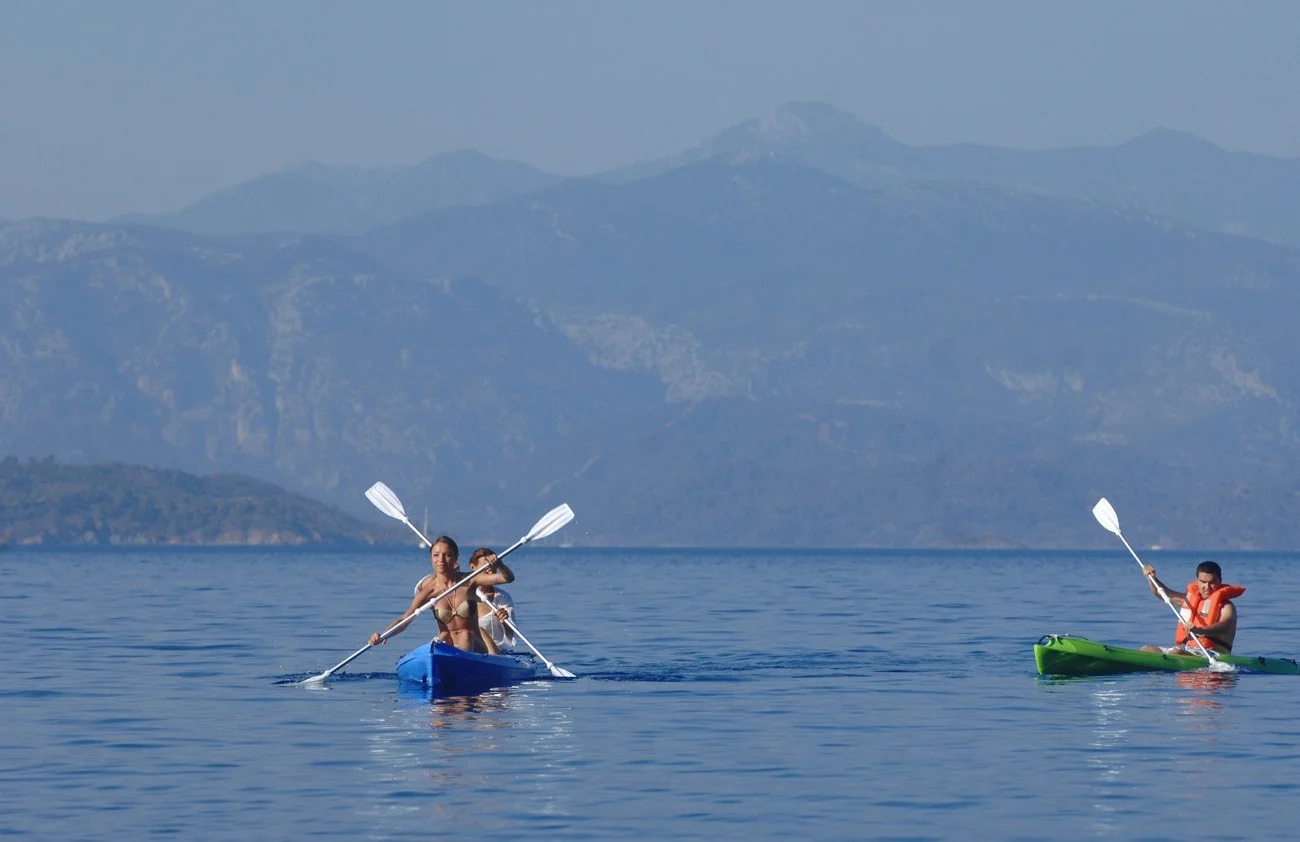
It's worth being specific about what you care about. A group hoping for waterskiing or wakeboarding needs a tender with serious horsepower, whereas a small tender meant only for quick harbour runs won't pull water toys properly.
Whether any of it carries an extra charge is a separate matter, and one I set out in The Yacht Price Is Not the Whole Charter Cost.
The details a listing doesn't usually cover
Some of the most useful things about a boat don't appear in a listing at all, because they're not the sort of thing anyone thinks to write down. These are the ones I check on your behalf.
- Where the crew live. Crew sleep in dedicated quarters, usually forward or below. What matters to you is the route they take to get to work early in the morning. On a well-arranged boat it doesn't pass your cabin door.
- How you get aboard. The passerelle, the steps from the quay, the companionway down to the cabins. Some gulets have a gentle stair; others have something closer to a ladder. If anyone in your group has a difficult knee, this is the single most important thing in the listing, and it appears nowhere in it.
- How you get out of the sea. Everyone thinks about getting in. Swimming four times a day and hauling yourself up a vertical ladder is a different proposition, particularly for older guests. A broad, shallow bathing platform with a proper staircase changes the whole week.
- Where the generator and engines sit. Covered above, but worth repeating, because it's the most common cause of a complaint that can be prevented with one question.
- The crew themselves. A twelve-guest boat with four crew and the same boat with a larger crew are not the same charter. Having enough hands means someone is free to run the tender ashore while lunch is being prepared.
None of this comes from a gallery, ours or anyone else's. It comes from having been aboard and working closely with the boats, and that is really what a broker is for.
Eight questions worth asking before you narrow down your shortlist
Copy these into an email, to us or to anyone else you're talking to. The answers will tell you more than another hundred photographs.
- Can you share the deck plan as well as the gallery?
- What is the beam, and how wide is the aft deck where the dining table stands?
- Which cabins are forward, amidships and aft — and where do the generator and engines sit?
- What are the berth dimensions and the standing headroom in the cabins and showers?
- What is shaded at midday — aft deck, foredeck, upper deck?
- When was the last refit, and did it cover the mechanical side as well as the interior?
- What is on board this season, as a written list, including the tender's size and engine?
- What is the most comfortable number of guests on this boat for a charter group?
A broker who knows the boat well can tell you straight away how she's laid out, how she feels on board, and where noise might sit — and will verify current season details like tender specs or exact measurements directly with the captain or owner when needed.
That's really the point of all this. I don't own any of the gulets I recommend. I recommend them because I've stood on their decks, met their crews and know which ones suit which kind of group — and because I'm the one who hears about it if I get it wrong.
Send me your dates, your group and what matters most to you, and I'll shortlist from the things the photographs don't show.
Planning a gulet charter in 2027?
Tell us your dates and group size. We reply within 24 hours with matching yachts and clear, itemised prices.
More articles
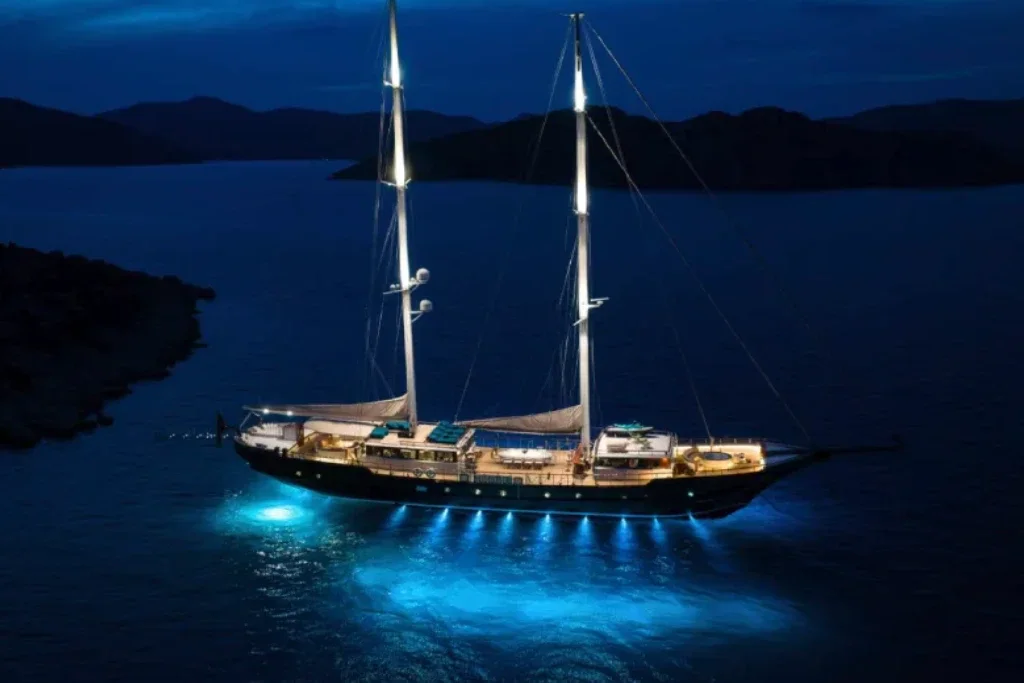
Luxury Gulet Charter in Turkey: A Guide for Executive Assistants
Booking a luxury gulet for your principal? Real costs, night A/C, Greek-island rules and 3 hand-picked gulets from a Marmaris
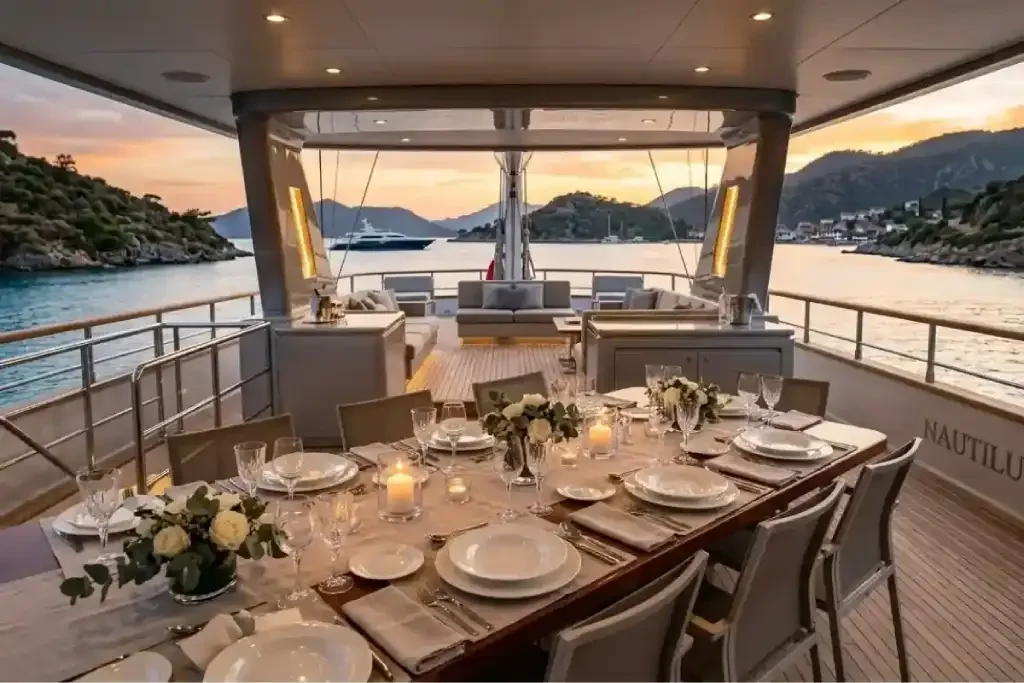
The Yacht Price Is Not the Whole Charter Cost
How to Accurately Compare Private Yacht Offers in Türkiye & Greece Published by Ekmar Yachting · Expert Guidance for Luxury